
Ezt olvastad már?
két egymás mellé tolt szék, a háttérben a Balaton naplementekor
Offline

Így randevúzott titokban Szabó Lőrinc Illyés Gyula feleségével a Balatonnál

Mindennapi

Újfajta villanyszámla érkezhet az MVM-től: mutatjuk, milyen változásra készülj

Szülőség

Ezért van a gyereknek kedvenc szülője – más az oka, mint amire gondolnál

hűs levegő a légkondiból
Édes otthon

Kigyulladhat a klímád, ha így használod: figyelmeztet a katasztrófavédelem


Testem

Brutális koffeinlöketet adnak ezek a kávétípusok: vigyázz velük szíved érdekében

BERLIN, NÉMETORSZÁG – 2026. május 9.: Egy caffè latte látható 2026. május 9-én Berlinben, Németországban.

Egyes kávéfajták jóval magasabb koffeintartalommal rendelkeznek, mint a megszokott eszpresszó vagy kapucsínó, így erőteljesebb élénkítő hatással bírnak.

Molnár Emília

2026. 07. 17. 07:45

Világom

Elhalaszthatják a vb-döntőt: New York levegőjét erdőtüzek szennyezik

New York látképe, szennyezett levegő 2026 július 16-án

Kanadában tomboló erdőtüzek miatt nagyon rossz New Yorkban a levegő, ez pedig azzal fenyeget, hogy a vb vasárnap este esedékes döntőjére sem a kiírt időpontban kerül majd sor.

Dívány ‎

2026. 07. 17. 17:30

The Pripyat river transport stop is in Prypiat, a city abandoned after the Chornobyl accident, Kyiv region, Ukraine, on April 14, 2026. April 26, 2026, marks the 40th anniversary of the explosion of the fourth reactor at the Chornobyl Nuclear Power Plant, which occurred on April 26, 1986. The accident remains one of the most significant events in the history of nuclear energy. (Photo by Kyrylo Chubotin/Ukrinform/NurPhoto via Getty Images)
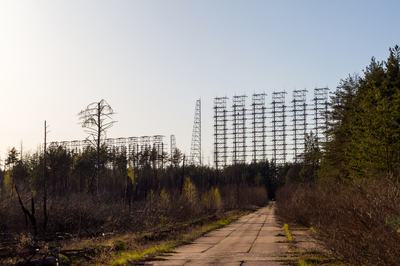
The Duga Radar, an over-the-horizon system once used in the Soviet Union's early-warning missile defense network and nicknamed the ''Russian Woodpecker,'' stands at the Chornobyl-2 site in the Kyiv region, Ukraine, on April 14, 2026. April 26, 2026, marks the 40th anniversary of the explosion of the fourth reactor at the Chornobyl Nuclear Power Plant, which occurred on April 26, 1986. The accident remains one of the most significant incidents in the history of nuclear energy. (Photo by Kyrylo Chubotin/Ukrinform/NurPhoto via Getty Images)
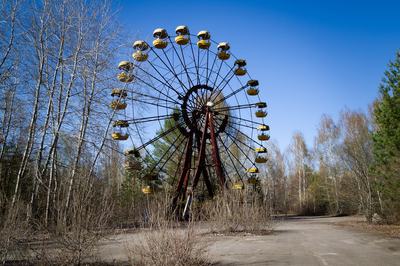
The Ferris wheel is situated in the amusement park in Pripyat, a city abandoned after the Chornobyl accident, Kyiv region, Ukraine, on April 14, 2026. April 26, 2026, marks the 40th anniversary of the explosion of the fourth reactor at the Chornobyl Nuclear Power Plant, which occurred on April 26, 1986. The accident remains one of the most significant incidents in the history of nuclear energy. (Photo by Kyrylo Chubotin/Ukrinform/NurPhoto via Getty Images)
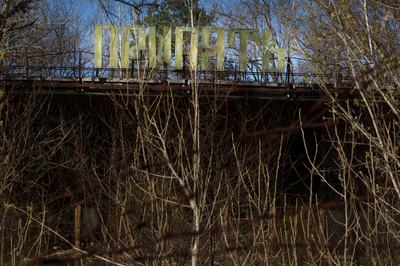
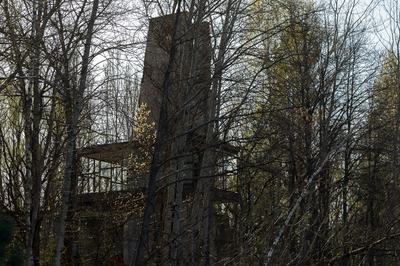
The dilapidated Prypiat cafe is visible behind trees in Prypiat, a city abandoned due to the Chornobyl disaster, in the Kyiv region, Ukraine, on April 14, 2026. April 26, 2026, marks the 40th anniversary of the explosion of the fourth reactor at the Chornobyl Nuclear Power Plant, which occurred on April 26, 1986. The accident is considered one of the most significant events in the history of nuclear energy. (Photo by Kyrylo Chubotin/Ukrinform/NurPhoto via Getty Images)
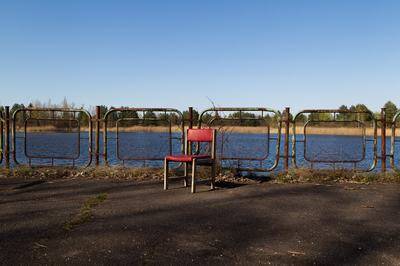
A chair is on the waterfront at the Prypiat river transport stop in Prypiat, a city abandoned due to the Chornobyl disaster, Kyiv region, Ukraine, on April 14, 2026. April 26, 2026, marks the 40th anniversary of the explosion of the fourth reactor at the Chornobyl Nuclear Power Plant, which occurred on April 26, 1986. The accident remains one of the worst man-made disasters in the history of nuclear energy. (Photo by Kyrylo Chubotin/Ukrinform/NurPhoto via Getty Images)
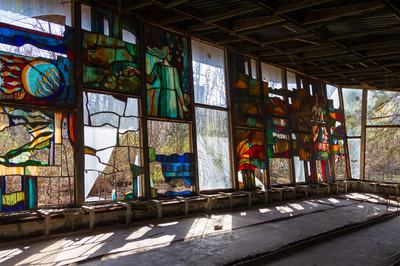
Stained-glass windows are seen at the Prypiat cafe in Prypiat, a city abandoned after the Chornobyl accident, Kyiv region, Ukraine, on April 14, 2026. April 26, 2026, marks the 40th anniversary of the explosion of the fourth reactor at the Chornobyl Nuclear Power Plant, which occurred on April 26, 1986. The accident remains one of the most significant incidents in the history of nuclear energy. (Photo by Kyrylo Chubotin/Ukrinform/NurPhoto via Getty Images)
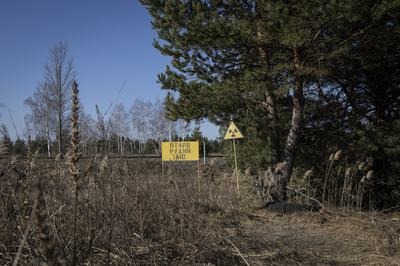
CHERNOBYL, UKRAINE - MARCH 16: A general view shows the current state of the 30-kilometer Chernobyl Exclusion Zone. Established in the aftermath of the 1986 nuclear disaster at the Chernobyl Nuclear Power Plant, the 2,600-square-kilometer restricted area remains under strict state control. Forty years after the accident, the zone encompasses abandoned urban and rural settlements, the New Safe Confinement (NSC) structure, and the Chernobyl Biosphere Reserve. Since 2022, the territory has been designated as a high-security area due to its proximity to the border and the ongoing Russian-Ukrainian war on March 16, 2026 in Chernobyl, Ukraine. (Photo by Danylo Dubchak/Frontliner/Getty Images)
A mural featuring a deer is on the wall of a dilapidated building in Prypiat, a city abandoned due to the Chornobyl disaster, Kyiv region, Ukraine, on April 14, 2026. April 26, 2026, marks the 40th anniversary of the explosion of the fourth reactor at the Chornobyl Nuclear Power Plant, which occurred on April 26, 1986. The accident remains one of the most significant incidents in the history of nuclear energy. (Photo by Kyrylo Chubotin/Ukrinform/NurPhoto via Getty Images)
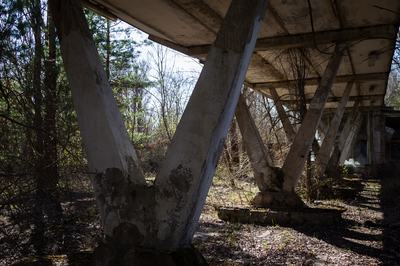
The Prypiat river transport stop is visible behind trees in Prypiat, a city abandoned due to the Chornobyl disaster, in the Kyiv region, Ukraine, on April 14, 2026. April 26, 2026, marks the 40th anniversary of the explosion of the fourth reactor at the Chornobyl Nuclear Power Plant, which occurred on April 26, 1986. The accident is considered one of the most significant incidents in the history of nuclear energy. (Photo by Kyrylo Chubotin/Ukrinform/NurPhoto via Getty Images)
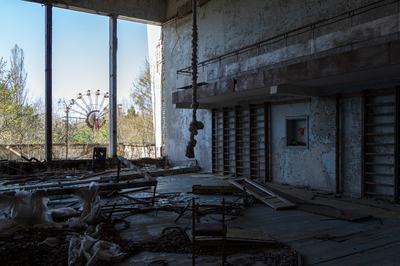
The Ferris wheel is seen through the windows of a gym in the Palace of Culture Energetik in Pripyat, a city abandoned after the Chornobyl accident, in the Kyiv region, Ukraine, on April 14, 2026. April 26, 2026, marks the 40th anniversary of the explosion of the fourth reactor at the Chornobyl Nuclear Power Plant, which occurred on April 26, 1986. The accident remains one of the most significant incidents in the history of nuclear energy. (Photo by Kyrylo Chubotin/Ukrinform/NurPhoto via Getty Images)
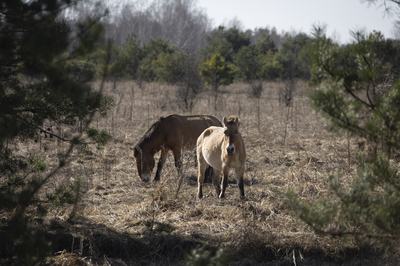
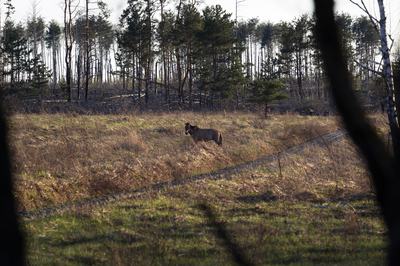
A horse grazes in a field in the Kyiv region, Ukraine, on April 14, 2026. April 26, 2026, marks the 40th anniversary of the explosion of the fourth reactor at the Chornobyl Nuclear Power Plant, which occurred on April 26, 1986. The accident remains one of the most significant incidents in the history of nuclear energy. (Photo by Kyrylo Chubotin/Ukrinform/NurPhoto via Getty Images)
Folyami közlekedési megálló Pripjaty városában
Fotó: NurPhoto
Az orosz fakopáncs, amely a szovjet korai rakéta-előrejelző rendszer része volt
Fotó: NurPhoto
Óriáskerék a pripjatyi vidámparkban
Fotó: NurPhoto
Romos, fákkal benőtt kávézó Pripjatyban
Fotó: NurPhoto
A folyópart Pripjatyban
Fotó: NurPhoto
Színes üvegablakok egy pripjatyi kávézóban
Fotó: NurPhoto
Figyelmeztető táblák a 30 km-es zónában
Fotó: Danylo Dubchak/Frontliner
Vadlovak a 30 km-es zónában
Fotó: Danylo Dubchak/Frontliner
Falfestmény Pripjaty elhagyott városában
Fotó: NurPhoto
A pripjatyi folyami magálló: szinte teljesen benőtte a növényzet
Fotó: NurPhoto
Edzőterem az Energetik kulturális központban, Pripjatyban
Fotó: NurPhoto
Vadló legel a 30 km-es zóna határán
Fotó: NurPhoto